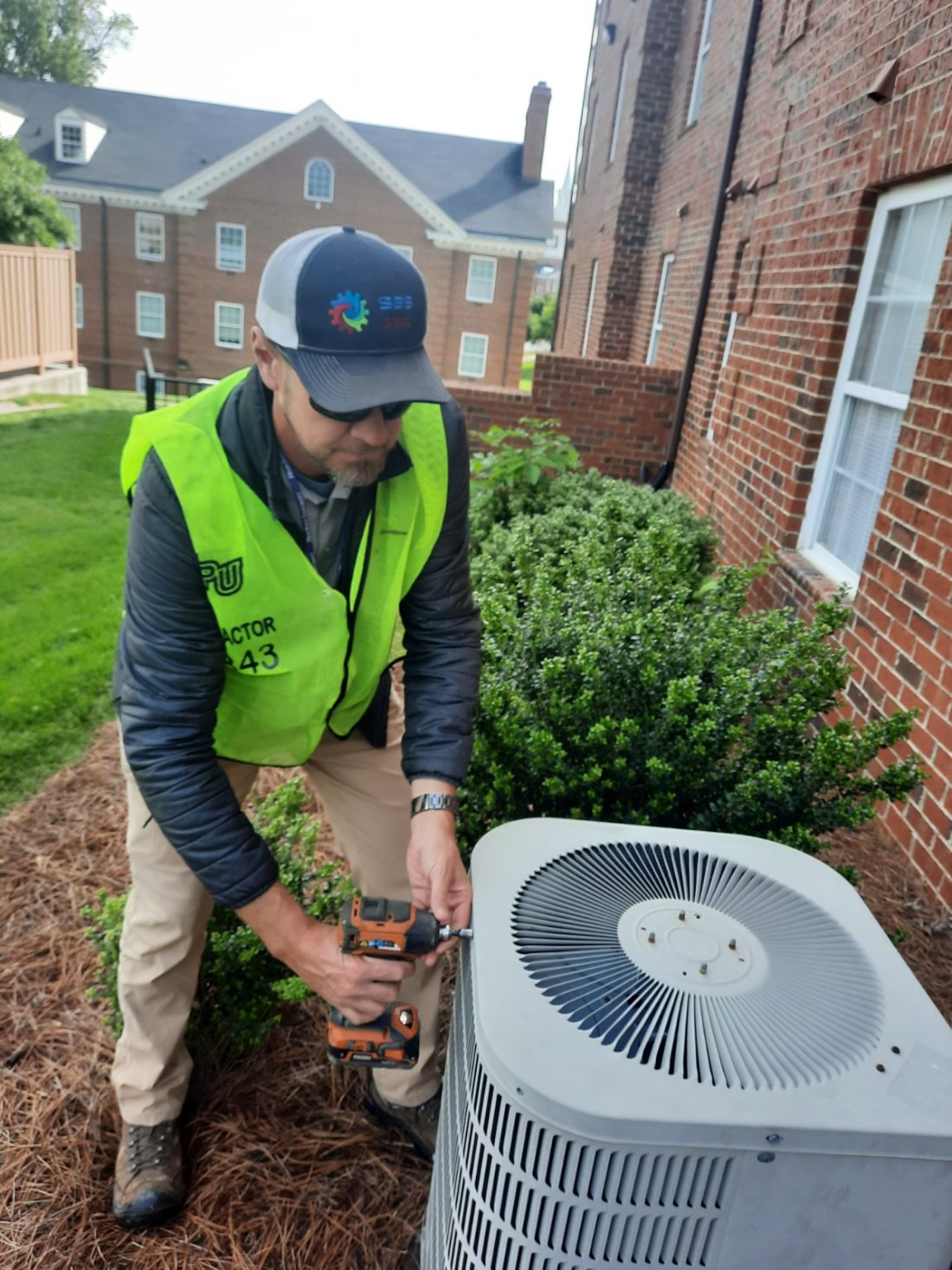
Modern homes rely on HVAC systems as a core part of daily comfort and functionality, far beyond simple temperature control. These systems regulate airflow, manage humidity, and contribute to indoor air quality throughout every season. As residential construction trends move toward tighter building envelopes and energy-conscious designs, HVAC systems carry a heavier load to maintain balanced indoor conditions. This increased responsibility means that even minor inefficiencies can have noticeable effects on comfort and energy consumption.
At the same time, homeowners are keeping systems longer and expecting consistent performance. Industry growth reflects this reliance. According to Grand View Research, the U.S. HVAC systems market is expected to expand steadily through 2030, approaching $50 billion in total value as demand for residential and commercial climate control continues to rise. Scheduling regular home heating service is essential to maintain system performance, reduce repair frequency, and manage long-term operating costs effectively.
Understanding System Components
HVAC maintenance plays a direct role in how efficiently a system operates under normal and peak conditions. Internal components such as motors, fans, coils, and electrical connections experience gradual wear that often goes unnoticed until performance declines. Routine servicing, including scheduled home heating service, allows technicians to identify developing issues early, preventing reduced airflow, inconsistent temperatures, or mechanical stress that can shorten equipment lifespan.
Energy efficiency is closely tied to system condition. When components are dirty, misaligned, or operating outside optimal ranges, HVAC systems draw more power to achieve the same output. Over time, this increases utility costs and places additional strain on critical components. Regular home heating service supports balanced operation, helping systems maintain consistent output without excessive energy use.
Indoor comfort and air quality are also affected by maintenance habits. Dust, debris, and airborne contaminants accumulate within filters, ductwork, and internal components. Without regular attention, these particles circulate throughout the home, affecting occupants and contributing to uneven airflow. Ongoing maintenance supports cleaner air movement and a more comfortable indoor environment.
Performing Regular Maintenance
Seasonal temperature changes place unique demands on HVAC systems, often exposing weaknesses hidden during mild weather. Cooling systems operate for extended periods in summer, while heating components carry the workload in colder months, making timely home heating service especially important as temperatures drop. Each transition introduces stress as systems shift modes and adjust to changing operational demands.
Temperature extremes magnify small issues. A clogged filter, worn belt, or minor refrigerant imbalance may not cause problems during spring or fall, but can lead to performance drops when the system runs continuously. Seasonal stress accelerates wear and can result in unexpected breakdowns at the worst times, often when emergency home heating service is hardest to schedule. Planning ahead can prevent these costly interruptions.
Understanding how seasons affect HVAC performance allows homeowners to plan maintenance strategically. Aligning service with seasonal transitions helps systems enter high-demand periods in better condition, reducing disruptions and supporting consistent comfort while improving efficiency, reliability, and long-term performance. Proactive maintenance can also extend system lifespan and lower repair costs.
Planning for Seasonal Demands
Pre-season tune-ups focus on preparing HVAC systems before sustained operation. These visits involve inspecting high-wear components, verifying system calibration, and addressing small issues that could escalate under heavy use. Scheduling a professional home heating service during this time helps reduce the likelihood of failures during peak heating or cooling seasons and keeps systems running efficiently.
System responsiveness improves when tune-ups address airflow restrictions, electrical connections, and mechanical balance ahead of time. Equipment that has been serviced prior to seasonal demand, including a thorough home heating service, typically cycles more evenly and maintains target temperatures consistently throughout the home. This proactive attention supports overall system longevity, energy efficiency, and comfort for all household spaces.
Scheduling tune-ups early also provides practical advantages. Homeowners avoid long wait times during peak service seasons, and technicians can devote more time to inspections rather than emergency repairs. This timing promotes smoother operation, fewer interruptions during extreme weather, and better preparedness for sudden temperature changes, supporting year-round comfort and system reliability.
Evaluating Costs and Benefits
Off-peak seasons, such as spring and fall, provide ideal conditions for HVAC maintenance. During these periods, systems aren't under constant demand, allowing for comprehensive evaluations without disrupting daily comfort. Scheduling a professional home heating service during these slower months allows technicians to perform deeper inspections, clean internal components, and test system performance more accurately, setting the system up for reliable operation in peak seasons.
Cost efficiency is another advantage of off-peak servicing. Many HVAC providers offer seasonal promotions or maintenance plans, making routine care more accessible and affordable. Homeowners can often schedule appointments with greater flexibility, avoiding rushed visits common during extreme weather events, and a timely home heating service can prevent costly emergency repairs while maintaining energy efficiency.
Off-peak maintenance also prepares systems for workload increases. Addressing wear and inefficiencies before peak seasons begin allows HVAC systems to operate more steadily when demand rises. This proactive attention supports smoother seasonal transitions, enhances energy efficiency, prolongs system lifespan, and contributes to year-round comfort for the entire home.
Implementing Year-Round Strategies
Consistent HVAC maintenance contributes significantly to long-term system reliability. Components that operate within proper ranges experience slower wear, reducing the frequency of major repairs. Scheduling a professional home heating service helps identify small issues early, extending the usable life of the system and delaying costly replacement decisions.
Comfort and stability are additional long-term benefits. Systems that receive regular care provide more even temperature distribution, quieter operation, and fewer performance fluctuations. Homeowners who invest in a home heating service notice more reliable performance during extended periods of extreme heat or cold, which improves overall household comfort.
From a financial perspective, documented maintenance can positively influence property value. Prospective buyers often view a well-maintained HVAC system as a sign of responsible ownership. Regular care supports daily comfort while protecting a major home investment and reinforcing confidence in the system’s reliability over time. In addition, a history of consistent maintenance can lower insurance concerns and demonstrate a long-term commitment to home upkeep.
Maximizing Energy Efficiency Through Maintenance
Regular HVAC maintenance improves energy efficiency, helping homeowners reduce utility costs and environmental impact throughout the year. Routine inspections, filter replacements, and component cleaning minimize energy waste and keep systems operating at peak performance. Even minor issues like dirty coils or misaligned belts can increase energy use. A timely home heating service keeps systems running smoothly, with consistent temperatures, lower bills, and improved overall comfort for the household.
Efficiency also prolongs HVAC lifespan. Properly maintained systems put less strain on components, reducing wear and preventing costly breakdowns or unexpected repairs. Technicians can catch energy-draining issues like refrigerant leaks, duct obstructions, or airflow problems before they escalate and affect system reliability.
Smart thermostats and home integration further enhance efficiency when paired with regular maintenance. Proper calibration and airflow optimization allow HVAC systems to adapt to changing conditions, providing comfort without unnecessary energy use or wasted power. Proactive maintenance maximizes savings, performance, and long-term system value.
Scheduling HVAC maintenance with intention rather than convenience plays a critical role in system performance and durability. By accounting for seasonal demands, prioritizing pre-season service, and using off-peak scheduling, homeowners can reduce breakdown risks, manage operating costs, and optimize the efficiency of a professional home heating service. A proactive maintenance strategy supports consistent comfort, predictable expenses, better energy use, and long-term reliability in demanding residential environments. For reliable commercial HVAC installation, maintenance, and repair services backed by over 30 years of experience, contact SBS-NC, LLC today to keep your business comfortable and operating efficiently.


Share On: