For most homeowners, air conditioning is one of those things you barely think about—until it starts acting up or your energy bill jumps unexpectedly. Cooling your home is one of the most energy-intensive aspects of daily life, and small problems that go unnoticed can quietly drain your finances. According to the U.S. Department of Energy, three-quarters of all homes in the United States have air conditioners, and those systems use about 6% of all the electricity produced nationwide, costing homeowners roughly $29 billion every year. That alone shows why understanding maintenance and timely repairs matters.
Learning how air conditioning repairs affect energy efficiency, system performance, and long-term costs allows homeowners to make smarter, less stressful decisions. Instead of waiting for breakdowns, proactive care helps reduce monthly expenses, avoid major disruptions, and extend the life of your system. This article explains how staying ahead of problems leads to real financial savings and fewer surprises over time.
Understanding The Value of Proactive System Maintenance
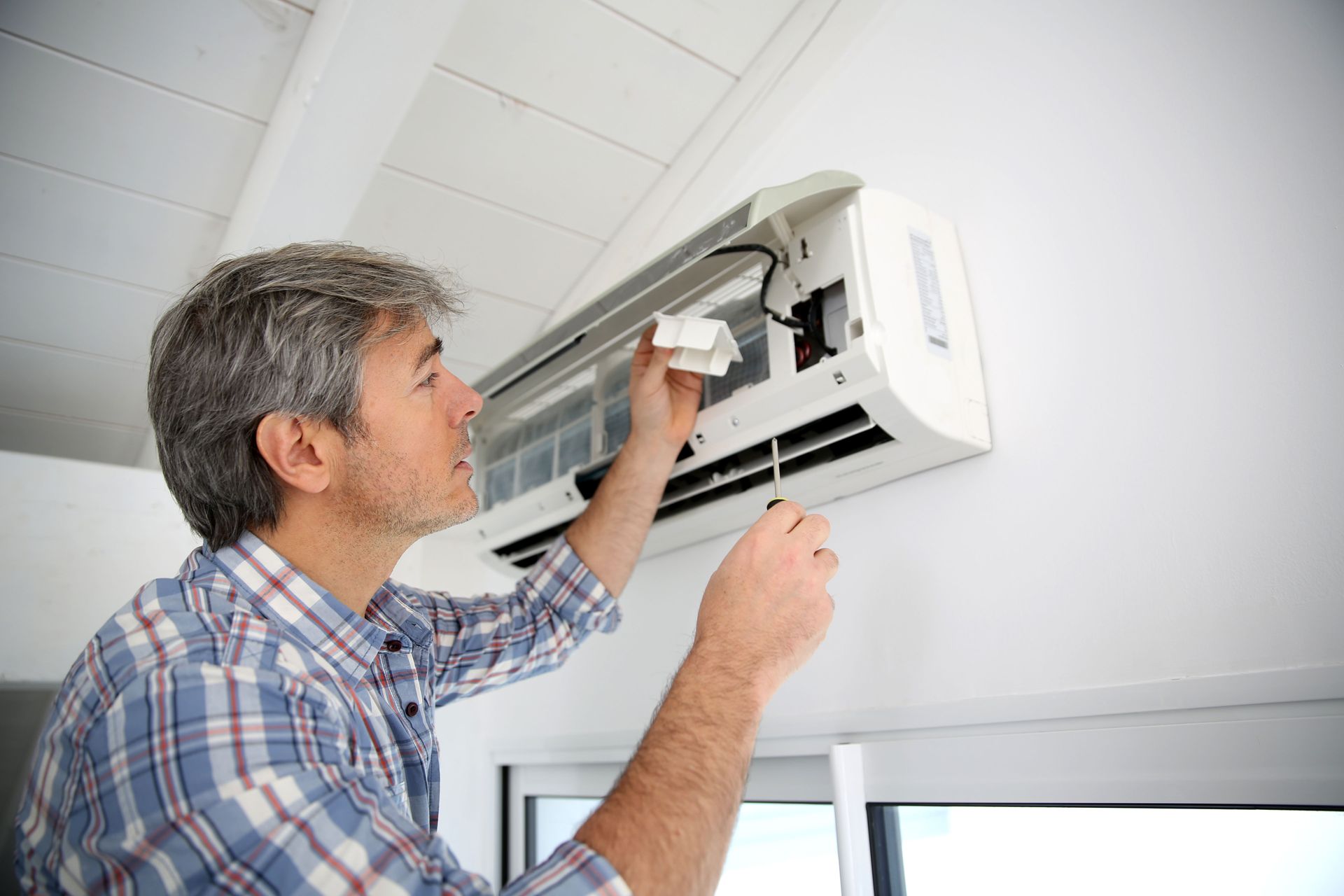
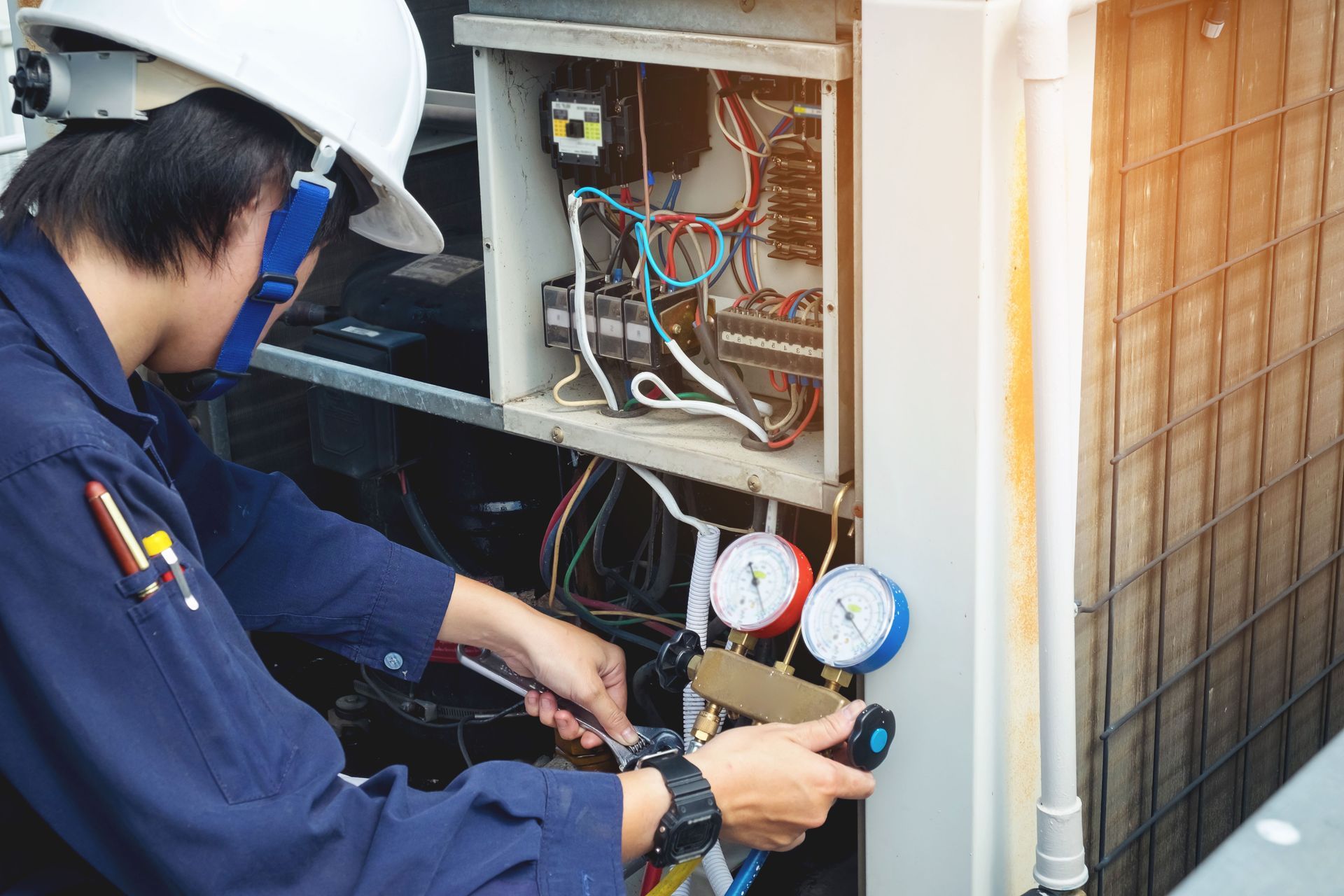
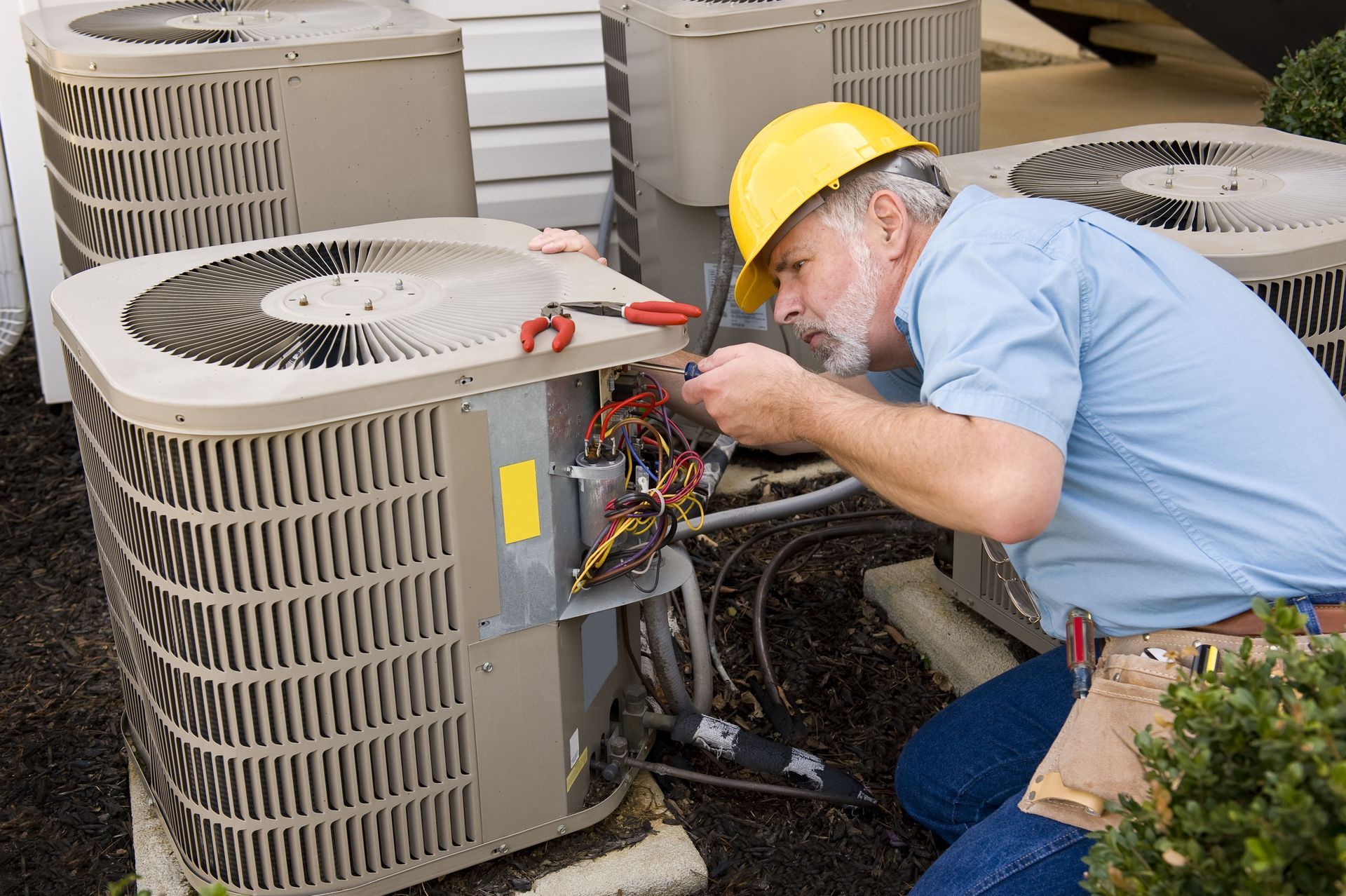
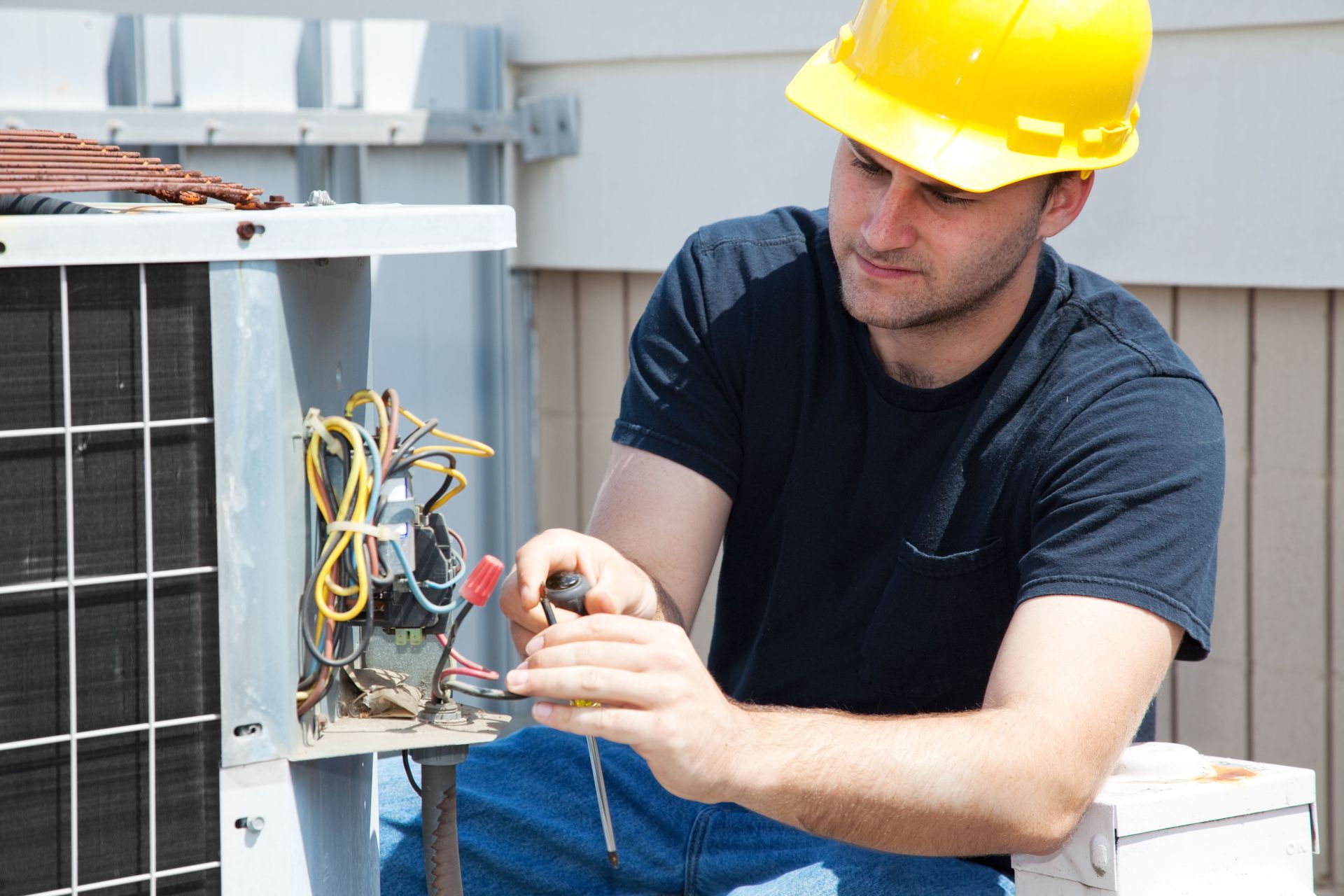
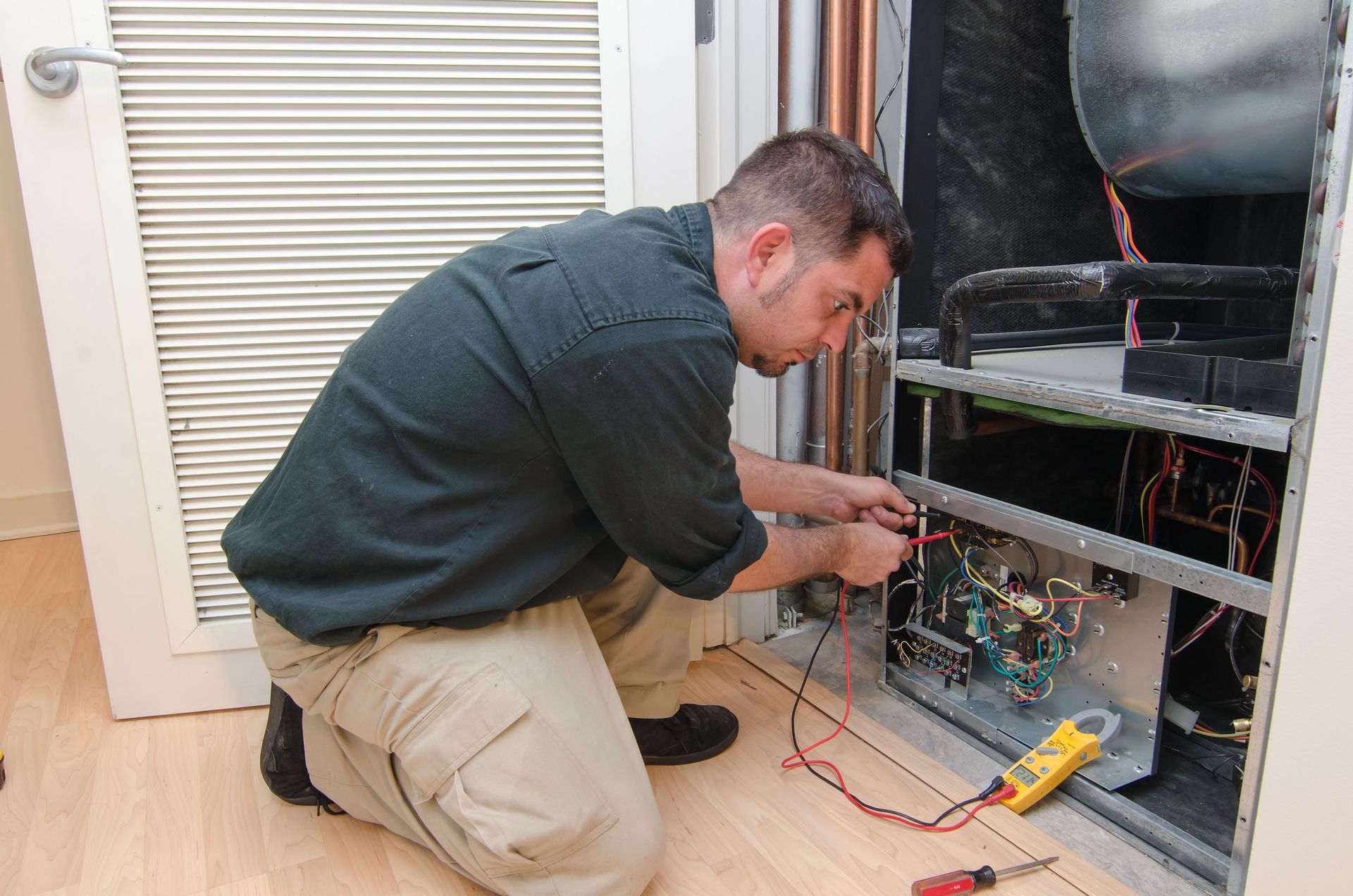
Waiting for an air conditioner to fail is rarely cost-effective. Proactive maintenance focuses on identifying minor inefficiencies before they turn into expensive problems. Loose electrical connections, worn components, and restricted airflow often start small, but over time they force the system to work harder than it should.
When a system is inspected and maintained regularly, it operates closer to its original design. This reduces unnecessary strain on internal parts and allows the unit to cool the home more efficiently. Shorter run times and smoother cycles translate into lower energy use and fewer performance issues.
Proactive care also brings predictability. Scheduled service visits are far easier to budget for than emergency breakdowns that happen during extreme heat. By staying ahead of problems, homeowners protect both their comfort and their finances while avoiding sudden, stressful repair situations.
Reducing Energy Costs Through Improved Efficiency
Efficiency directly affects how much you pay to cool your home. When an air conditioner is struggling, it consumes more electricity to achieve the same indoor temperature. Dirty filters, clogged coils, and airflow imbalances all contribute to wasted energy.
Improving efficiency often involves straightforward fixes rather than major system upgrades. Cleaning components, restoring airflow, and making small adjustments can dramatically improve performance. When the system doesn’t have to run continuously to keep up, energy use drops naturally. Because air conditioning represents such a large share of household electricity consumption, even small efficiency improvements add up. Lower energy use means lower monthly bills, reduced wear on the system, and a more comfortable living environment overall.
Preventing Emergency Breakdowns Before They Happen
Emergency breakdowns tend to occur at the worst possible times, usually during peak summer heat. When systems are under heavy demand, small unresolved issues can quickly become major failures. Emergency service is often more expensive and harder to schedule.
Timely air conditioning repairs help prevent these situations by addressing warning signs early. Strange noises, uneven cooling, or longer run times often indicate underlying issues that can be corrected before the system shuts down completely.
Avoiding emergency repairs isn’t just about saving money. It also protects your daily routine and peace of mind. Knowing your system has been checked and prepared for heavy use allows you to enjoy your home comfortably all season long.
Extending Equipment Lifespan Through Early Intervention
Air conditioning systems are a significant investment, and most homeowners want theirs to last as long as possible. Early intervention plays a critical role in extending equipment lifespan. When minor issues are ignored, they increase stress on critical components like compressors and motors.
Routine attention helps systems operate within safe limits. Reduced strain means parts wear out more slowly, decreasing the risk of premature failure. Over time, this delays the need for full system replacement, which can be a major financial burden. A well-maintained system also supports home value. Buyers and inspectors often view properly cared-for HVAC systems as a sign of responsible ownership and lower future maintenance costs.
Improving Indoor Comfort While Spending Less
Comfort and savings are closely connected. A properly functioning air conditioner provides even temperatures, consistent airflow, and balanced humidity throughout the home. When comfort issues appear, they are often symptoms of inefficiency.
Addressing these issues improves the overall living experience while reducing unnecessary energy use. Rooms cool more evenly, the system cycles normally, and the home feels consistently comfortable. Many homeowners find that once performance improves, they can adjust the thermostat slightly without sacrificing comfort. Those small changes can quietly lead to meaningful savings over the course of a cooling season.
Avoiding High Replacement Costs With Smart Repairs
Replacing an air conditioning system is expensive and often avoidable. Many systems fail early because small problems were allowed to worsen over time. Strategic air conditioning repairs help preserve existing equipment and delay the need for replacement.
When a system is structurally sound, repairing worn components is usually far more economical than installing a new unit. Early action keeps repair costs manageable and prevents a chain reaction of failures. Smart repair decisions also provide flexibility. Instead of being forced into replacement during a crisis, homeowners can plan upgrades on their own schedule when it truly makes financial sense.
Maximizing Long-Term Savings With Consistent Care
The biggest financial benefit of timely air conditioning repairs appears over years, not just months. Lower energy bills, fewer emergency calls, extended system life, and delayed replacement all contribute to long-term savings. Consistency is what turns maintenance into real value. Systems that receive regular attention perform more reliably and cost less to operate. Predictable expenses make household budgeting easier and reduce financial stress.
Considering the nationwide cost of cooling homes, even small improvements at the household level matter. Consistent care supports smarter energy use while protecting one of the most important systems in your home. Beyond financial benefits, proactive care offers peace of mind. Knowing your system has been inspected and optimized before peak season removes a major source of anxiety. Instead of worrying about sudden failures during extreme heat, homeowners can focus on daily routines and comfort.
There’s also a strong connection between proactive care and smarter long-term planning. When performance is monitored consistently, homeowners gain clearer insight into future needs and realistic timelines for upgrades. Decisions are made calmly rather than under pressure, leading to steadier expenses and better outcomes. Over time, this approach turns maintenance into a habit rather than a hassle, reinforcing confident ownership and long-term financial balance while keeping energy use under control and comfort levels high throughout the year.
Another often-overlooked benefit is how consistent system performance affects seasonal and lifestyle planning. Reliable air conditioning allows families to enjoy summer activities, plan vacations, or complete home projects without worrying about indoor comfort. This reliability reduces stress and prevents costly last-minute solutions such as portable units or temporary cooling methods.
There’s also a financial ripple effect from reliability. Homes with stable system performance experience fewer indirect costs, like emergency repairs, unexpected energy spikes, or even minor property damage from condensation or leaks. Preventive attention helps avoid these hidden expenses, keeping household budgets steadier year-round.
Long-term care supports sustainability while saving money. Efficient systems consume less electricity, reduce strain on the grid, and contribute to environmental goals. Homeowners benefit through lower bills while participating in energy conservation efforts—a win-win for finances and the planet. If you want to protect your comfort, control your energy costs, and make smarter long-term decisions, now is the perfect time to take action—reach out to Donovan's Strength & Conditioning today and start saving with proactive care
Share On: