In the midst of a heatwave, a functional cooling system becomes essential for maintaining comfort and safety within the home. When an air conditioning system fails, the consequences can range from heat-related health issues to potential property damage. Understanding how to manage and prevent these breakdowns is key to ensuring a safe indoor environment during extreme weather events. Securing a timely air conditioning service helps restore comfort before temperatures indoors become hazardous.
Proactive homeowners can take several immediate steps to evaluate their equipment while waiting for professional assistance. However, partnering with a dependable team remains the most reliable path to achieving long-term climate control. This guide outlines how to handle an emergency cooling failure effectively while keeping your household safe and comfortable.
Understanding the Common Causes of System Failure
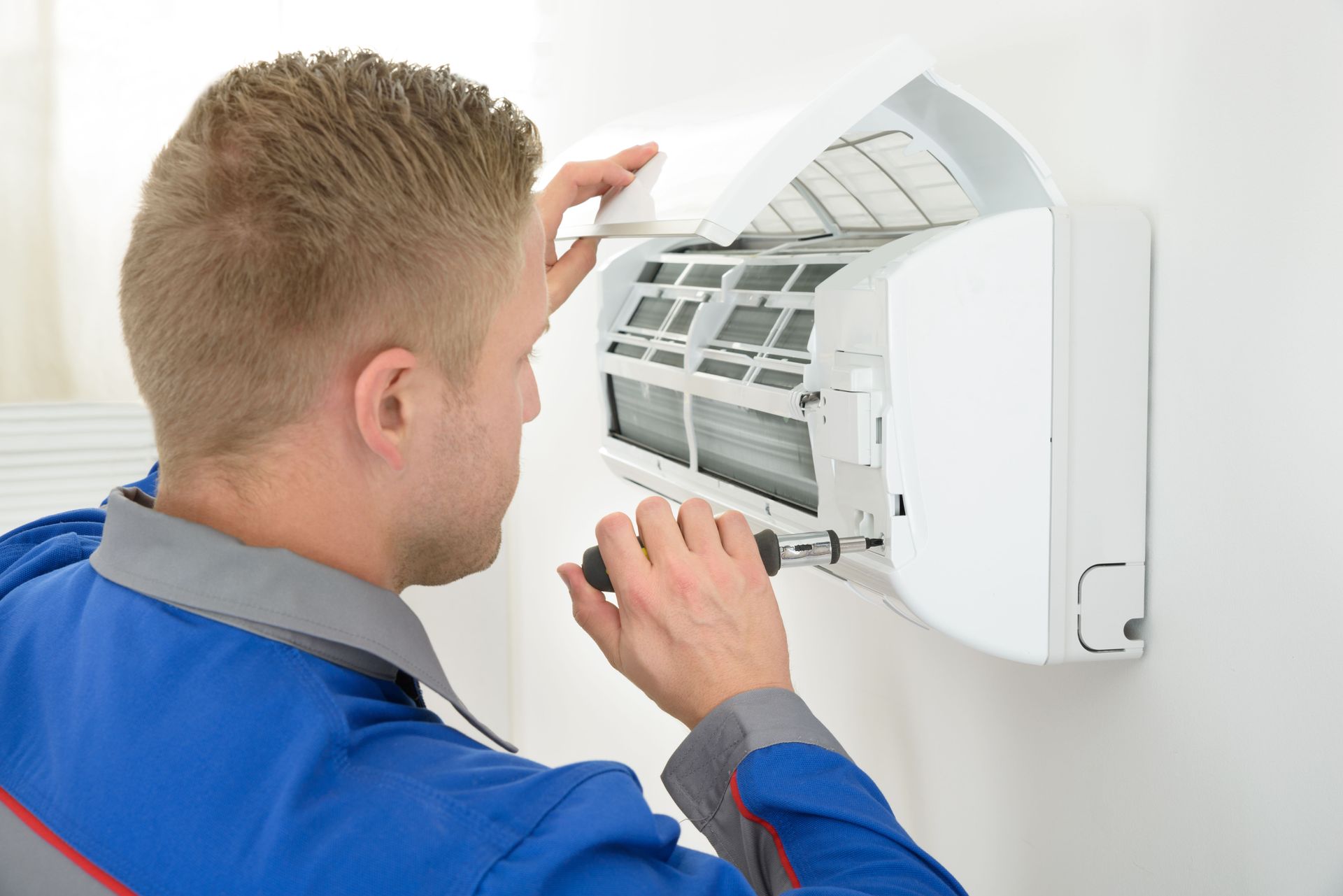
Neglecting regular maintenance is one of the primary causes of unexpected breakdowns. Over time, dust and debris accumulate within the system, obstructing airflow and forcing the equipment to work much harder to cool the home. Scheduling a routine air conditioning service at least once a year prevents these issues, prolonging the life of the unit and maintaining its overall efficiency.
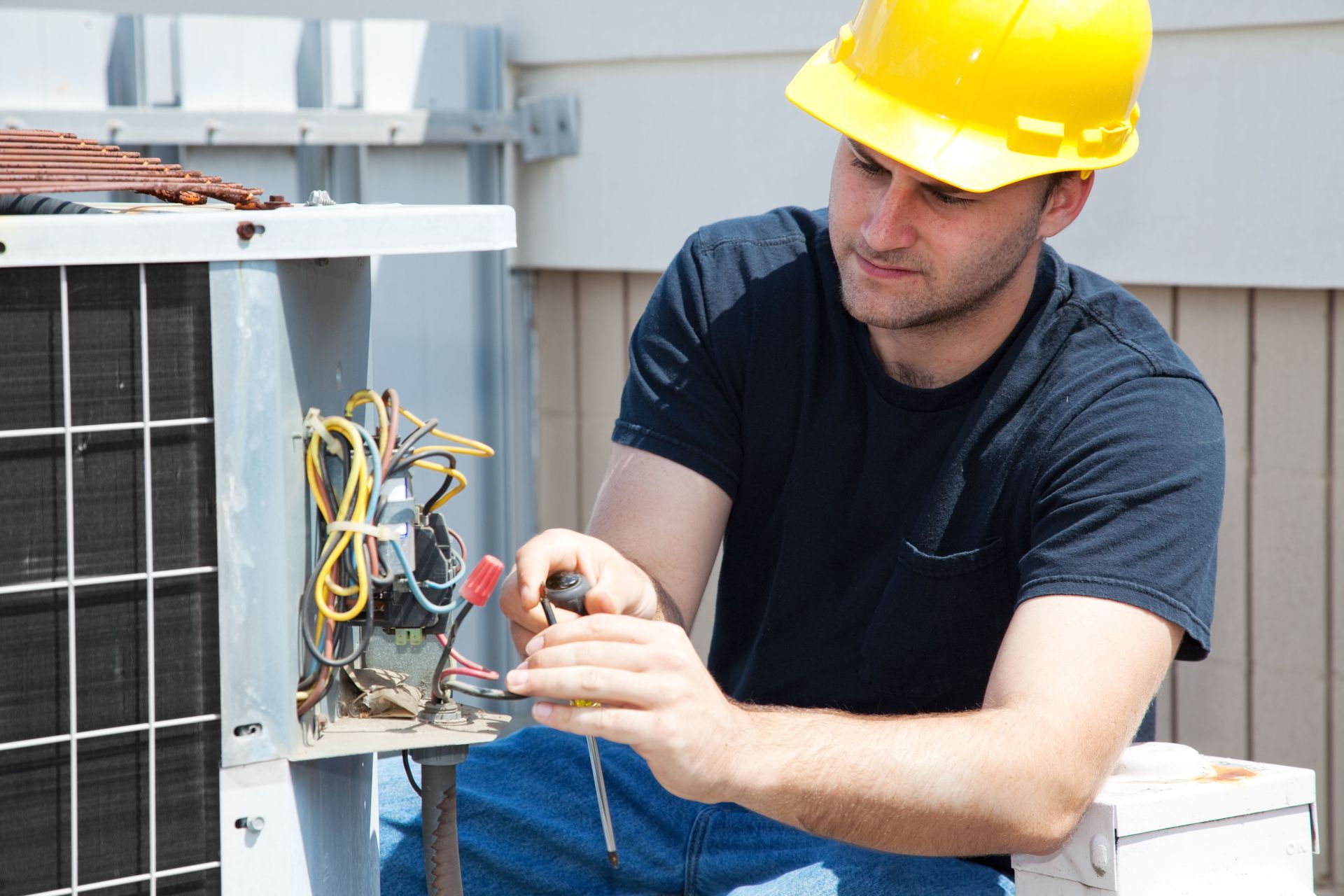
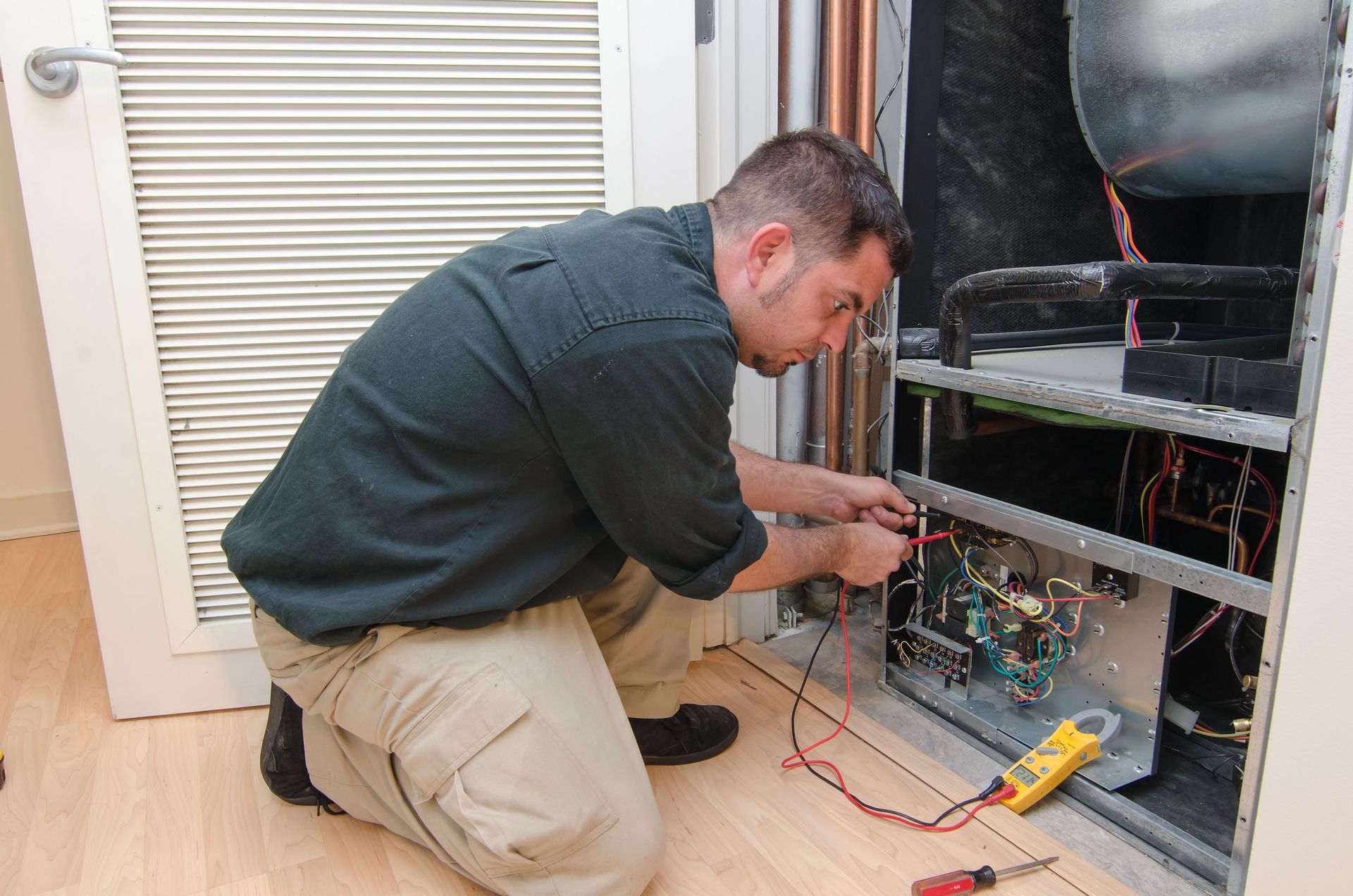
Refrigerant leaks and electrical problems are also frequent culprits behind sudden malfunctions. When refrigerant levels drop, the system cannot properly cool the air, leading to increased energy consumption. Faulty wiring, tripped breakers, and blown fuses can also disrupt operation completely, requiring immediate professional attention to ensure safety and prevent further mechanical damage.
Initial Steps to Take During a Cooling Emergency
The first step when facing a system failure is to assess the situation safely without attempting complex DIY fixes. Begin by checking the home thermostat to ensure it is set correctly to the cooling mode and that the batteries are functioning. Sometimes, an accidental setting change or a dead battery can mimic a major system failure.
Next, inspect the electrical panel to see if the breaker has tripped, and check the condition of the air filter. A heavily clogged filter restricts airflow so severely that it can cause the entire unit to overheat and shut down. Documenting these basic observations helps technicians diagnose the problem quickly when they arrive to perform an emergency air conditioning service.
Selecting a Reliable Emergency Repair Provider
When choosing a repair provider during a heatwave, prompt response times and verified credentials are essential factors. Look for local businesses with decades of industry experience and verified technician certifications. Reading customer reviews can provide clear insights into a team's punctuality, customer support, and general reliability during local weather emergencies.
Transparent pricing structures and solid labor warranties are also important indicators of a reputable service provider. Companies that stand behind their work with guarantees offer protection against recurring issues. Choosing an established provider ensures that your emergency air conditioning service is executed safely and strictly adheres to local mechanical codes.
Alternative Cooling Solutions While Awaiting Repairs
While awaiting professional repairs, maximizing passive cooling techniques can significantly improve comfort levels inside the house. Closing curtains, blinds, or drapes during peak sunlight hours blocks direct thermal energy from entering. Cross-ventilation can also be achieved by strategically opening windows at night when the outdoor air cools down.
Utilizing portable fans and evaporative coolers can also provide temporary relief from intense indoor heat. Fans create air circulation that aids in body heat dissipation, making the ambient temperature feel cooler. Setting up a temporary safe zone in the lowest, most shaded level of the home keeps vulnerable individuals safe while waiting for the technicians to arrive.
Preventative Measures to Avoid Future Breakdowns
Implementing a seasonal inspection routine is the most effective way to avoid future cooling emergencies during peak summer months. According to the U.S. Environmental Protection Agency, individuals spend approximately nine-tenths of their lives inside residential and commercial structures. Because people spend so much time indoors, maintaining consistent climate control is paramount for health and daily comfort.
Investing in an annual air conditioning service plan allows technicians to identify worn parts before they lead to a total system shutdown. Modern system upgrades, such as programmable smart thermostats, can also optimize usage patterns and reduce strain on the equipment. These proactive adjustments save money on utility bills and ensure operational reliability year-round.
Legal and Insurance Considerations for Homeowners
Homeowners should review their insurance policies to understand potential coverage options for major cooling components. Many standard policies cover sudden damage caused by external events like power surges or storms, but they generally exclude normal wear and tear. Keeping comprehensive maintenance records proves that the equipment was cared for properly if a claim is filed.
When entering a repair agreement, ensure the contract explicitly outlines the scope of work, material costs, and estimated completion timelines. Clear communication prevents misunderstandings regarding emergency fees or warranty terms. Understanding your rights and keeping detailed documentation safeguards your investment during extensive home improvement projects.
Assessing the Financial Benefits of Efficient Systems
Upgrading to a modern, energy-efficient system can drastically reduce seasonal operating costs over time. Older units consume significantly more power to achieve the same cooling output, causing utility bills to skyrocket during intense heatwaves. Investing in a highly efficient unit lowers your monthly overhead while ensuring that the system can easily handle extreme outdoor conditions.
Pairing these efficiency upgrades with a recurring air conditioning service maximizes long-term financial savings and protection. Regular adjustments keep internal components operating at their optimal performance levels, which minimizes expensive system friction and prevents premature equipment degradation. Lower utility expenses combined with reduced breakdown frequencies make comprehensive system updates highly lucrative long-term investments.
Understanding the Technical Components of Cooling Units
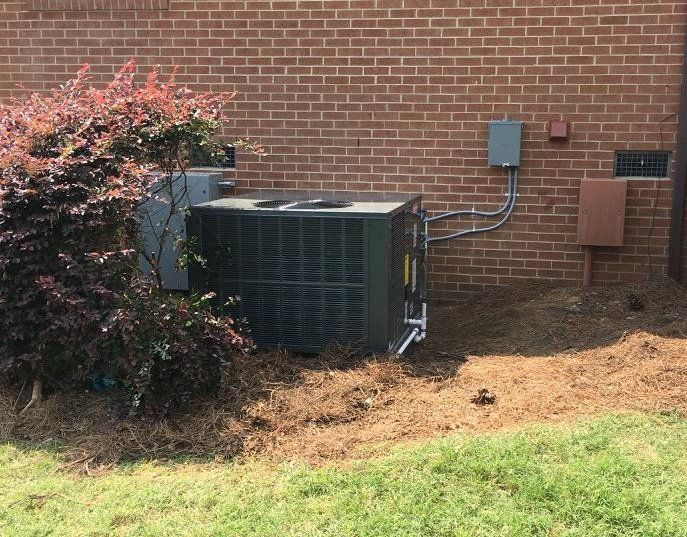
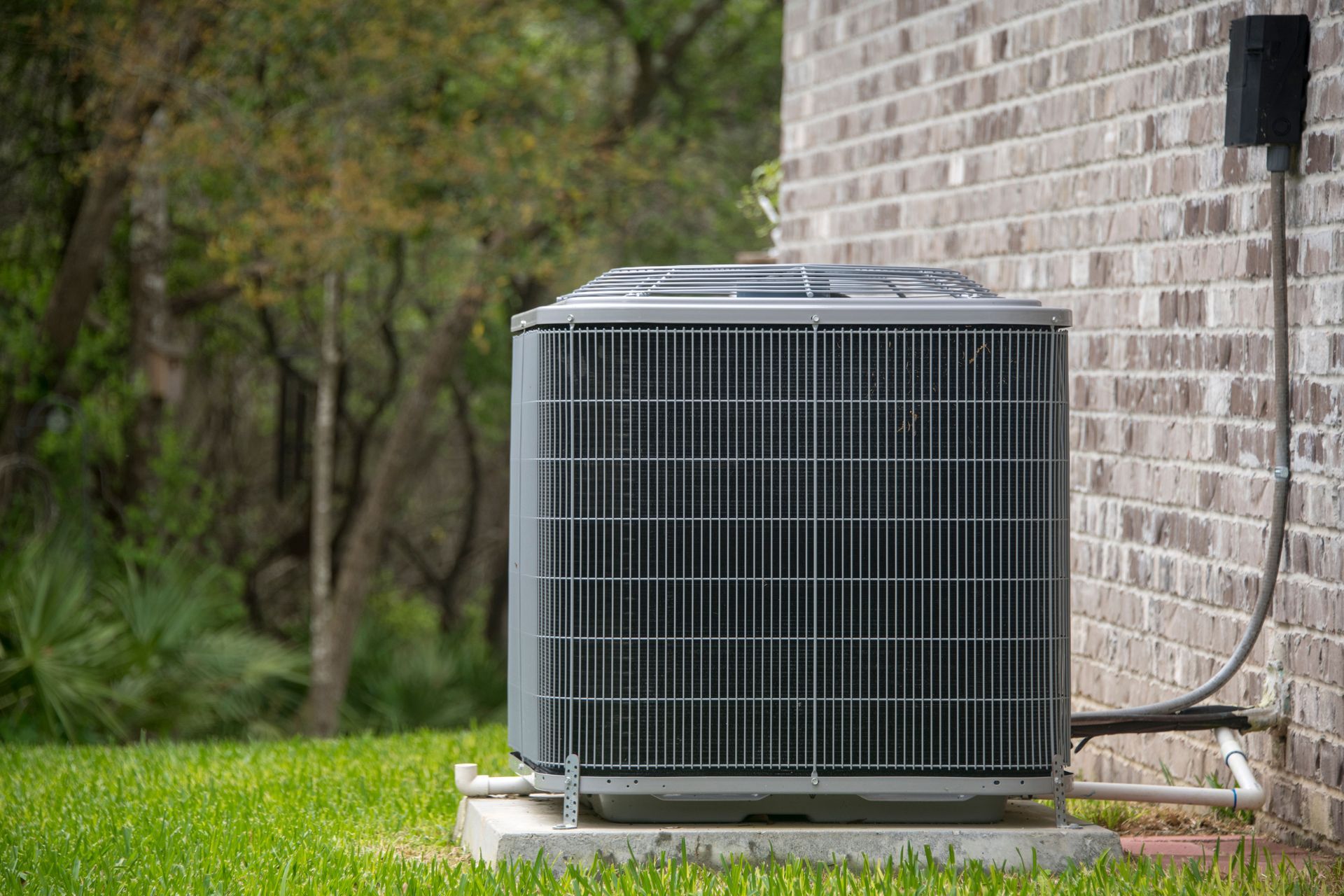
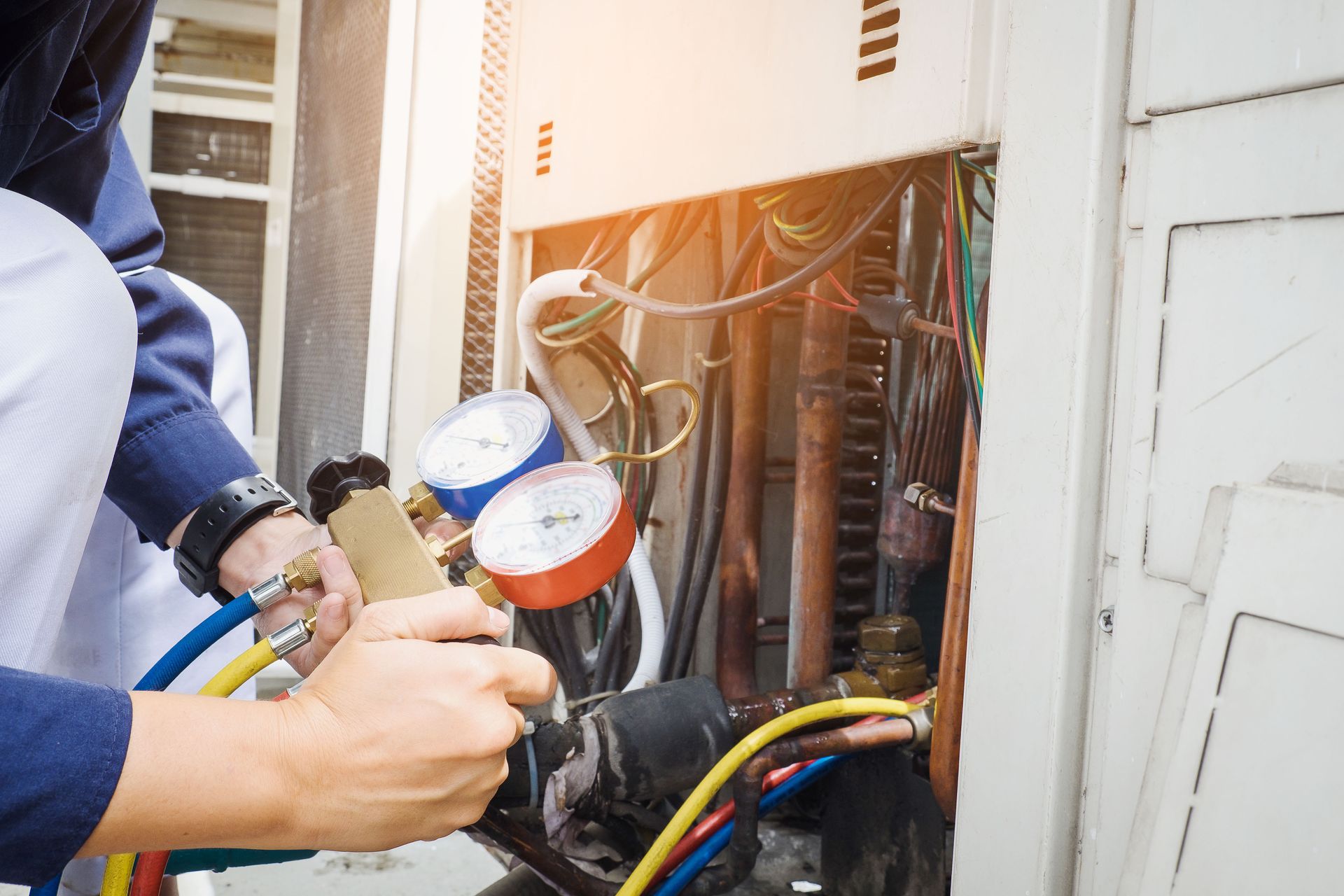
A standard residential cooling unit relies on several key mechanical components operating in perfect harmony to lower indoor temperatures. The compressor acts as the heart of the system, circulating the specialized chemical refrigerant necessary to pull heat out of your home. Meanwhile, the evaporator and condenser coils facilitate the necessary thermal exchange to safely expel hot air outdoors.
When any single component experiences mechanical strain, it can trigger a cascading failure across the entire appliance. For instance, a failing blower motor can cause the evaporator coils to freeze solid, completely halting the cooling process. Scheduling a professional air conditioning service ensures that each delicate component receives proper lubrication, cleaning, and electronic calibration before peak operational seasons begin.
Preparing Your Home for Extreme Weather Conditions
Securing your home against extreme thermal conditions requires a holistic approach that goes beyond simply checking mechanical hardware. Inspecting the weatherstripping around exterior doors and windows helps trap conditioned air inside while blocking intense outdoor heat. Adding modern insulation to attics and crawlspaces further enhances this structural barrier, dramatically reducing the overall workload placed on your cooling equipment.
Implementing these residential structural upgrades protects your machinery from running constantly without a break during extended regional heatwaves. When your home is properly sealed, your equipment cycles less frequently, which significantly minimizes mechanical wear and tear on sensitive electrical connections. Combining home sealing with scheduled professional attention guarantees a reliable, energy-efficient indoor environment regardless of how high outdoor temperatures climb.
Managing an unexpected cooling failure during a heatwave requires a combination of basic troubleshooting, temporary comfort management, and professional intervention. Investing in a consistent air conditioning service keeps equipment running smoothly and reduces the likelihood of sudden summer breakdowns. For dependable support and comprehensive indoor climate solutions, homeowners can turn to the dedicated team at SBS-NC, LLC.
Share On: