
2026 HVAC Standards and SEER2
SBS-NC, LLC Commercial HVAC • January 13, 2026
Dramatic Changes in the HVAC Industry
In 2026, the HVAC industry is completing its most significant transition in decades. For facility managers in Winston-Salem, these changes involve stricter efficiency metrics and a mandatory shift in refrigerants.
SEER2: A More Accurate Efficiency Metric
Introduced in 2023, SEER2 (Seasonal Energy Efficiency Ratio 2) replaced the original SEER
standard to better reflect "real-world" performance.
- Realistic Testing: SEER2 tests are conducted at 0.5 inches of water gauge static pressure—five times higher than previous tests (0.1 inches)—to more accurately simulate the resistance of typical ductwork.
- Lower Numerical Values: Because the testing is more rigorous, a unit that was previously rated at 15 SEER might only earn a 14.3 SEER2 rating, even if the equipment itself hasn't changed.
- Regional Minimums for 2026: In North Carolina (Southeast region), new split-system air conditioners must meet a minimum of 14.3 SEER2 for units under 45,000 BTU and 13.8 SEER2 for larger units. Heat pumps must meet a national standard of 14.3 SEER2.
Commercial Standards for 2026
While residential systems focus on SEER2, commercial facilities utilize different benchmarks:
Efficiency Increase: All commercial air conditioning and heat pump equipment between 65,000 and 760,000 BTU/h must meet a 15% efficiency increase over 2018 ratings.
- IEER Focus: For three-phase commercial products, IEER (Integrated Energy Efficiency Ratio) remains the primary metric, emphasizing part-load efficiency since commercial units rarely run at 100% capacity.
- Thermal Efficiency: Gas-fired commercial air conditioners and water heaters must now meet a 95% thermal efficiency (TE) rating (up from 80%).
The Mandatory Refrigerant Shift
As of January 1, 2026, all new HVAC installations must use low-GWP (Global Warming Potential) refrigerants to comply with the EPA's AIM Act.
- New Standards: Manufacturers have phased out R-410A in favor of R-32 or R-454B, which reduce environmental impact by approximately 75%.
- A2L Classification: These new refrigerants are classified as A2L (mildly flammable). While safe for use, they require listed equipment with built-in sensors and installers specifically trained in A2L handling.
- Legacy Systems: You can still service existing R-410A systems, but expect the cost of that refrigerant to rise as production is restricted. New A2L refrigerants cannot be used as a "drop-in" replacement for older units.
Financial Incentives
Choosing high-efficiency equipment in 2026 can unlock substantial savings:
- Federal Tax Credits: The 25C Tax Credit offers up to $2,000 for heat pumps and $600 for central air conditioners that meet high SEER2 thresholds (typically 16.0–17.0+).
- Utility Rebates: Many local providers offer additional incentives for installing grid-interactive equipment that supports Demand Response programs.
Call SBS-NC, LLC
today for any of your commercial HVAC needs!
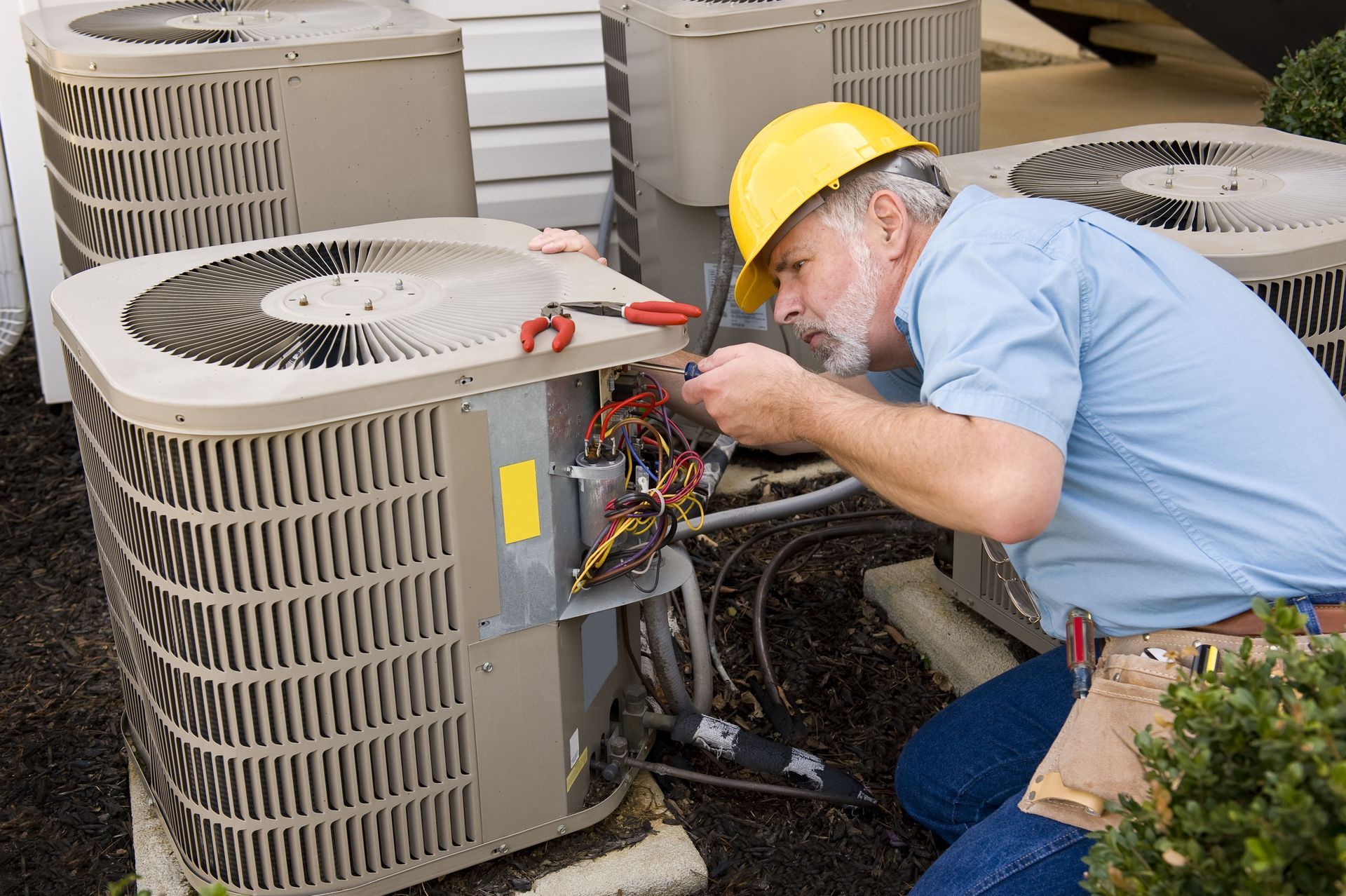
Do you have a reliable air conditioning service? Annual tune-ups and clean coils prevent system failures while keeping your home cool all summer long.
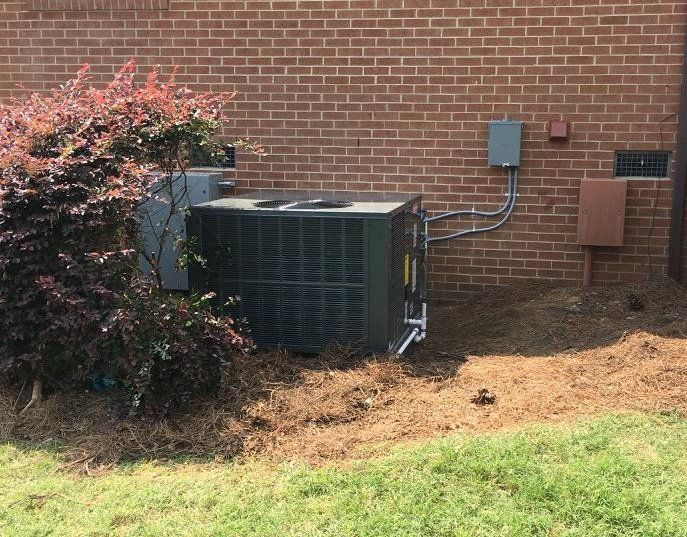
Learn how to choose the best residential AC company in Stuart, Florida. Find out what to look for in licensing, experience, service quality, pricing, and emergency AC repair.
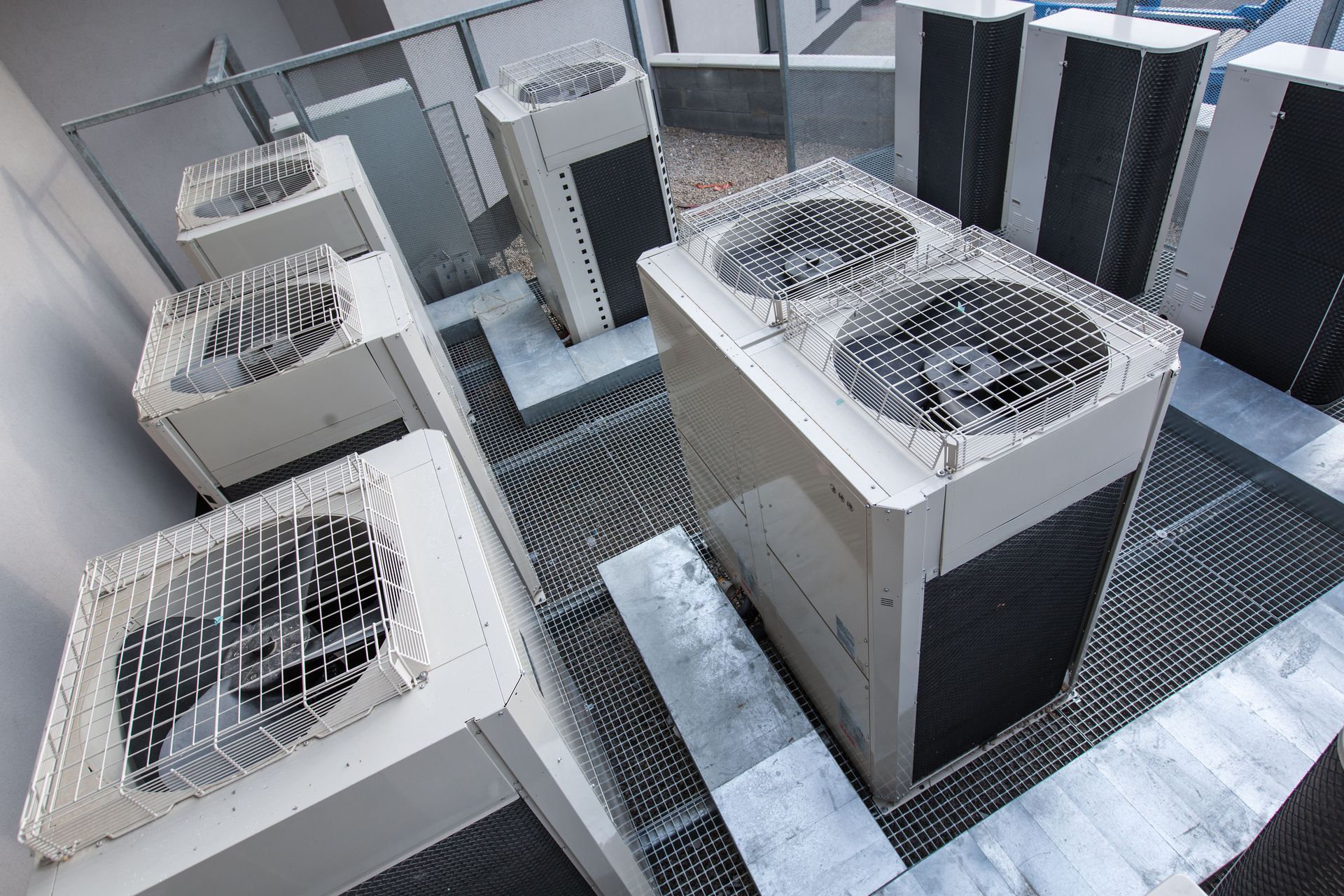
If you're a facility manager, you should be asking your commercial HVAC contractor the right questions. Learn four things you need to ask before beginning work.
Knowing when to call for professional AC repairs can make a major difference in how well an air conditioning system performs over time. Read more!
From energy savings to stronger overall performance, we will explore the biggest benefits of installing a new HVAC system with a professional HVAC company.
Beat the heat fast. Discover the major benefits of hiring local air conditioning services for speedy repairs, expert care, and reliable comfort.
Commercial HVAC preventative maintenance serves as the backbone of efficient operations, ensuring that HVAC systems function at their peak potential.
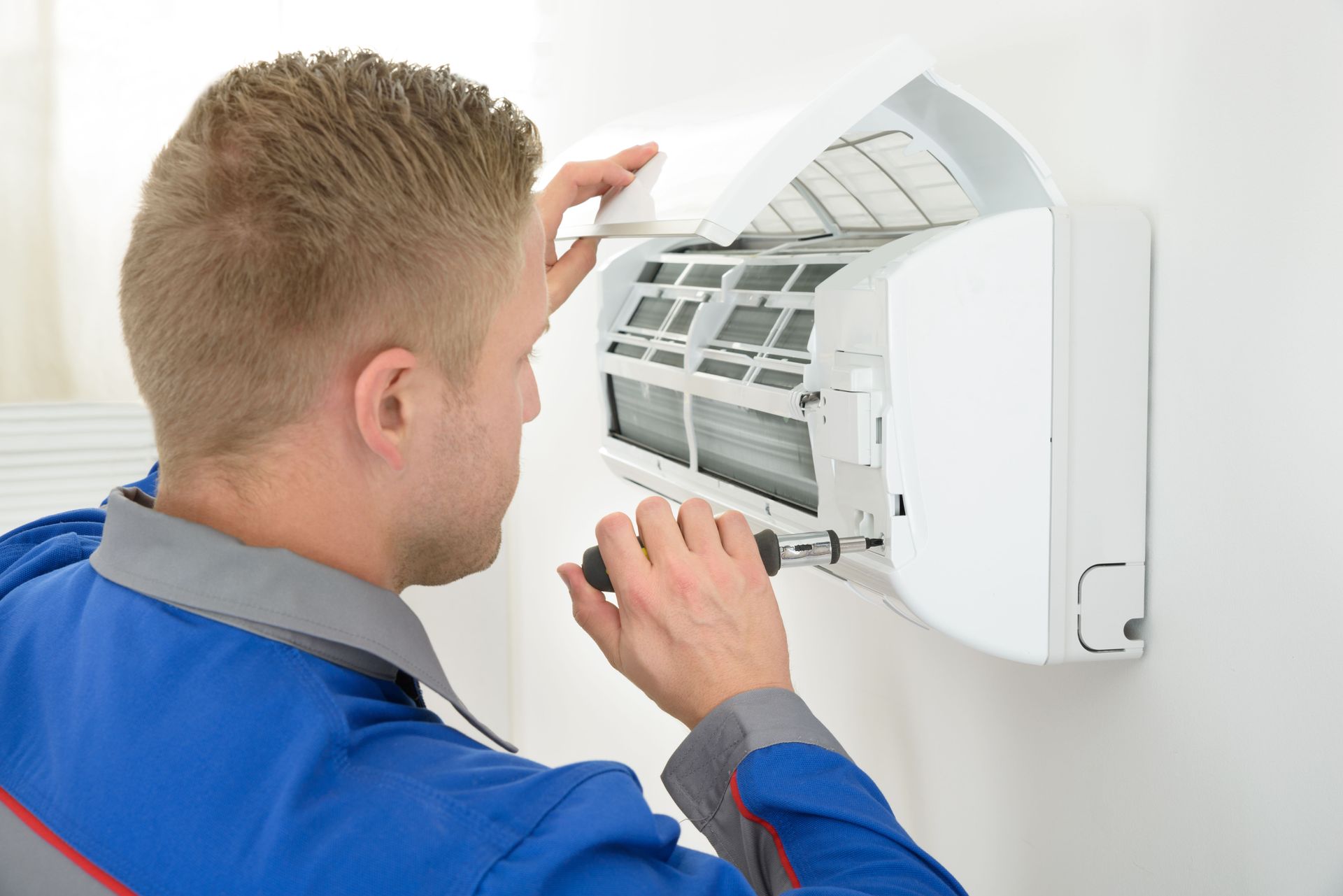
This article explains how staying ahead of HVAC problems leads to real financial savings and fewer surprises over time. Call us for air conditioning repairs!
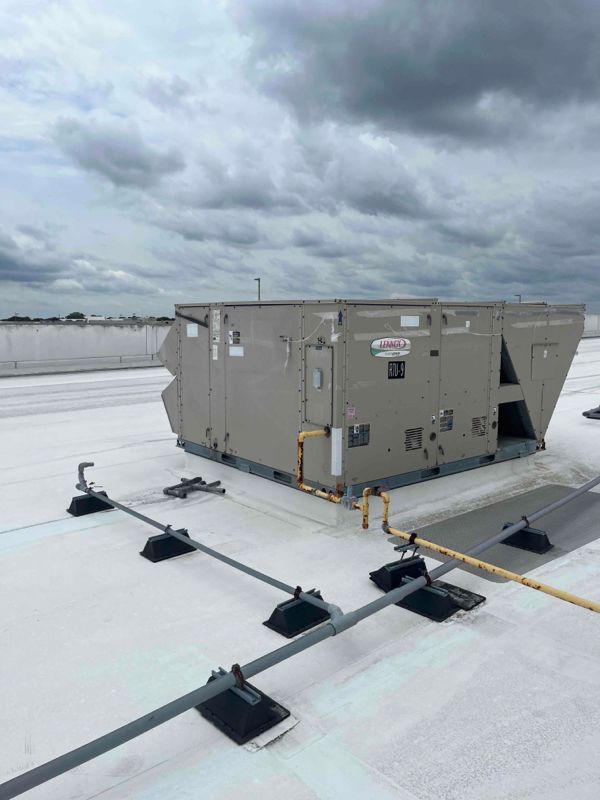
Maximizing Commercial HVAC Efficiency: Maintenance Strategies for High IEER in Greensboro
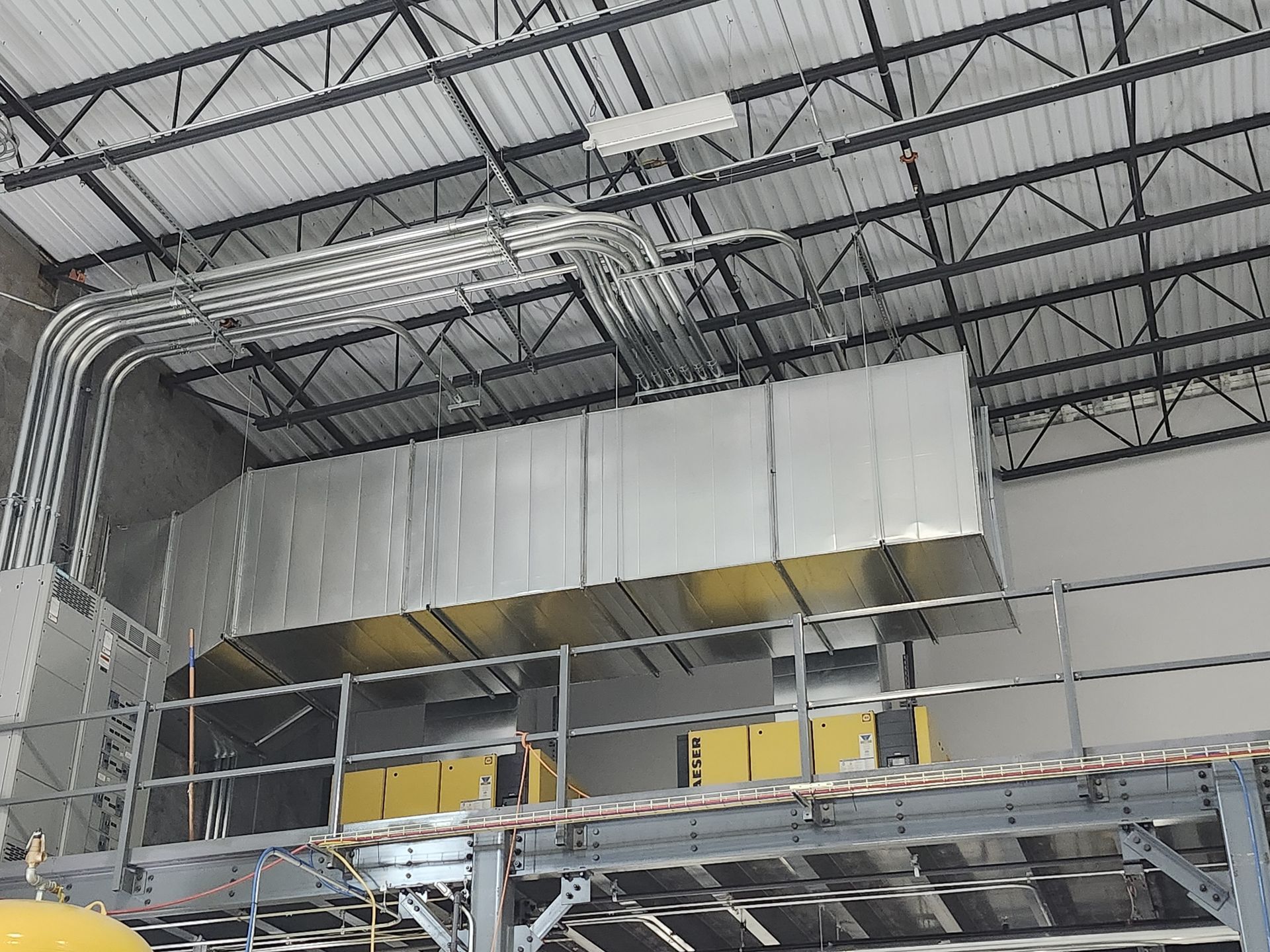
Understanding IEER: The New Standard for Commercial HVAC Efficiency
Share On: