
Heating Inefficiencies in your Commercial Building.
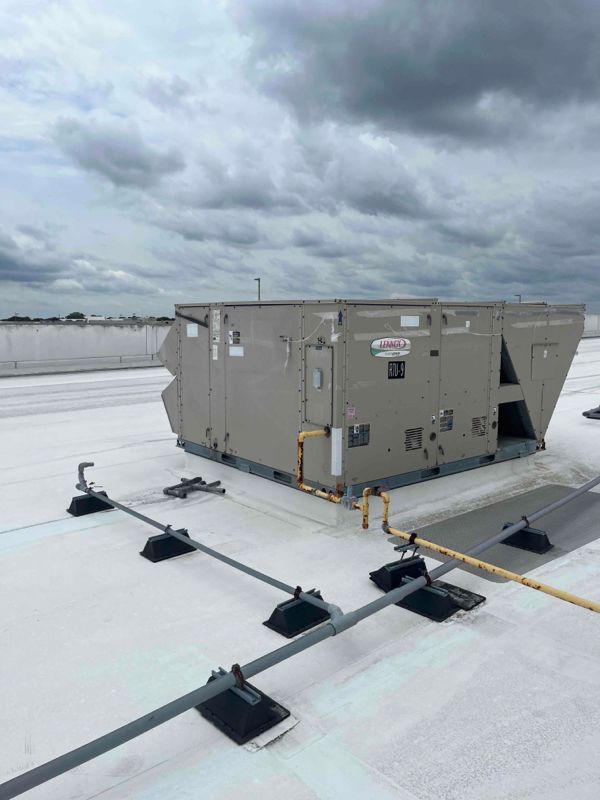
As the cold season approaches in Greensboro, NC, businesses are reminded of the importance of maintaining an efficient heating system. Understanding how buildings lose heat can significantly impact your commercial HVAC's effectiveness, energy consumption, and overall comfort. This guide aims to shed light on the common ways through which buildings lose heat and provides practical solutions to ensure your commercial space remains warm and energy-efficient.
1. Inadequate Insulation
One of the primary ways buildings lose heat is through inadequate insulation. Insulation acts as a barrier to heat flow, keeping warm air inside during winter and hot air outside during summer. In many commercial buildings in Greensboro, NC, poor insulation in walls, roofs, and floors allows heat to escape, forcing the HVAC system to work harder and consume more energy.
Solution: Upgrade your building’s insulation, focusing on key areas such as the attic, walls, and basement. High-quality insulation materials will significantly reduce heat loss and improve your HVAC system's efficiency.
2. Windows and Doors
Windows and doors are critical points of heat loss in commercial buildings. Single-pane windows and poorly sealed doors allow heat to escape, leading to increased energy bills and discomfort during the cold months.
Solution: Invest in double-glazing or energy-efficient windows to minimize heat loss. Ensure doors and windows are properly sealed and consider weather-stripping or caulking to eliminate drafts.
3. HVAC System Inefficiency
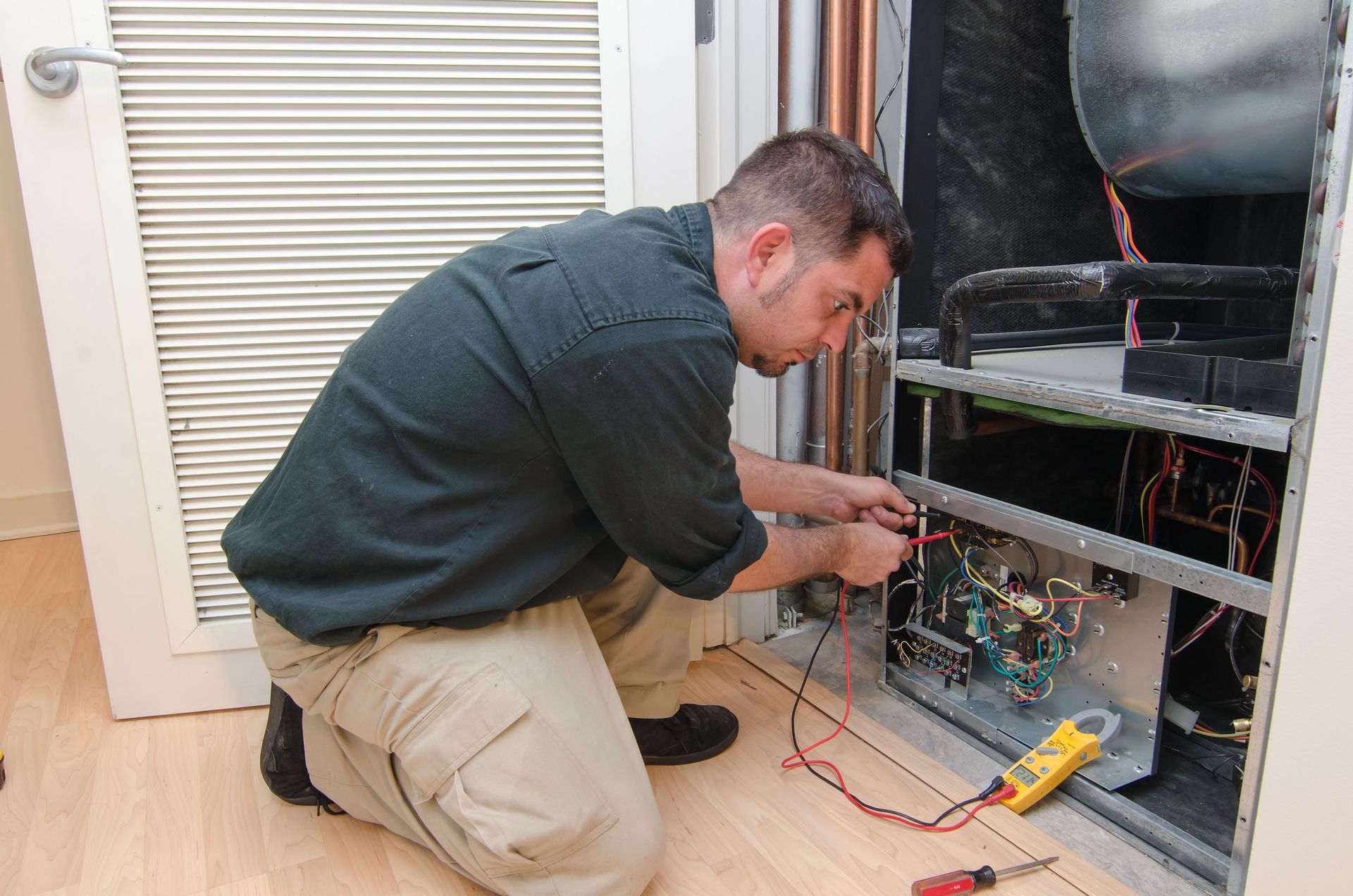
An outdated or poorly maintained HVAC system can lead to significant heat loss. Inefficient systems struggle to distribute heat evenly across the building, leading to cold spots and increased energy usage.
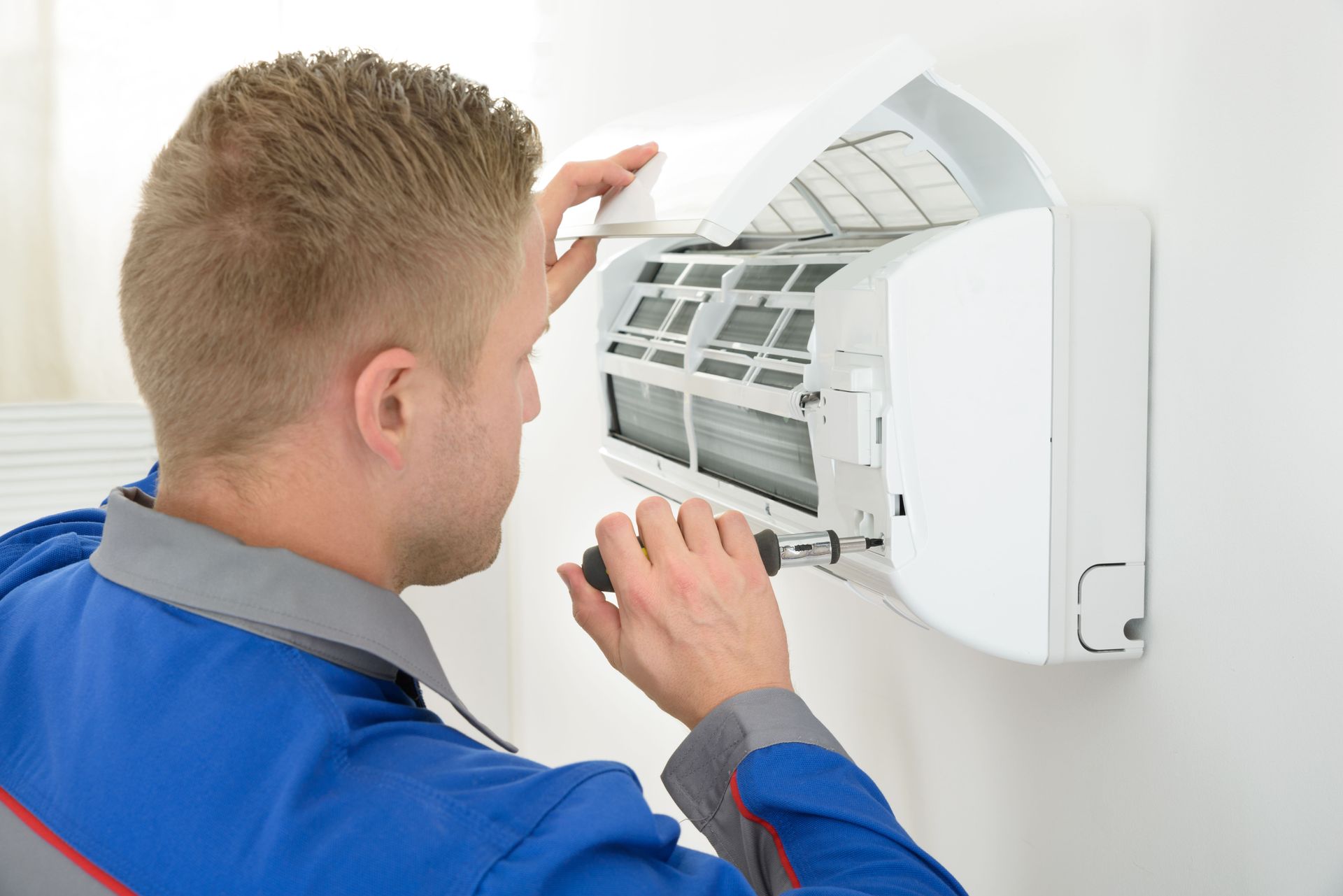
Solution: Regular maintenance of your HVAC system is crucial. This includes cleaning filters, checking for leaks in the ductwork, and ensuring the system is properly calibrated. Consider upgrading to a more energy-efficient system if your current setup is outdated.
4. Air Leaks
Air leaks through cracks, gaps, and openings can lead to substantial heat loss. Common areas for air leaks include where pipes and wires enter the building, around window and door frames, and in the attic.
Solution: Conduct an energy audit to identify air leaks. Use caulk, foam, or weather-stripping to seal leaks and improve the building's overall energy efficiency.
5. Thermal Bridging
Thermal bridging occurs when materials that are poor insulators come in contact, allowing heat to bypass the insulation. In commercial buildings, this can happen through metal framing, concrete slabs, and other structural elements.
Solution: Addressing thermal bridging involves adding thermal breaks or using insulating materials in the construction process. For existing buildings, external insulation and cladding can minimize thermal bridging.
Understanding and addressing these common heat loss issues can significantly impact your commercial HVAC system's efficiency and your energy bills. As we head into the colder months in Greensboro, NC, it's crucial to assess your building’s heat retention capabilities. Implementing the solutions mentioned above can help maintain a comfortable, energy-efficient space for your business.
For professional HVAC services tailored to the unique needs of your commercial space in Greensboro, NC, consider consulting with SBS-NC, LLC. They can provide personalized advice, conduct energy audits, and recommend the best solutions to ensure your building is well-prepared for the winter season. Call us today!
Share On: